Commuting Between Seattle and San Francisco for Work: What It’s Really Like
Commuting between Seattle and San Francisco for work is doable—but it becomes much easier when you have flexibility, a repeatable airport routine, and reliable transportation in both cities. That said, it is also absolutely exhausting unless you really enjoy flying and are a pro at navigating potential delays or travel conflicts.
As you might expect, the biggest challenges include the cumulative cost, security lines, packing, pet travel, eating on the go, and the time it takes to get to and from the airports.
Over the years, I have worked with many buyers and sellers moving between Seattle and San Francisco. Then I found myself navigating a similar transition.
When my husband Jacob received a job offer in San Francisco that was too good to pass up, we decided to rent an apartment there and begin traveling between the two cities. We had always wanted to experience living in another city, and this felt like the right opportunity to try it.
For a while, we kept our primary residence in Seattle, and I frequently flew back and forth between the two cities. Fast forward a couple of years, and now we live in San Francisco full time. But through the process, I learned so much about commuting between Seattle and San Francisco, and I’m going to share everything I learned!
The experience has also given me a much more personal understanding of the decisions and logistics involved in relocating—or dividing your life—between Seattle and San Francisco.
Here’s what I’ve learned.
Is It Realistic to Commute Between Seattle and San Francisco for Work?
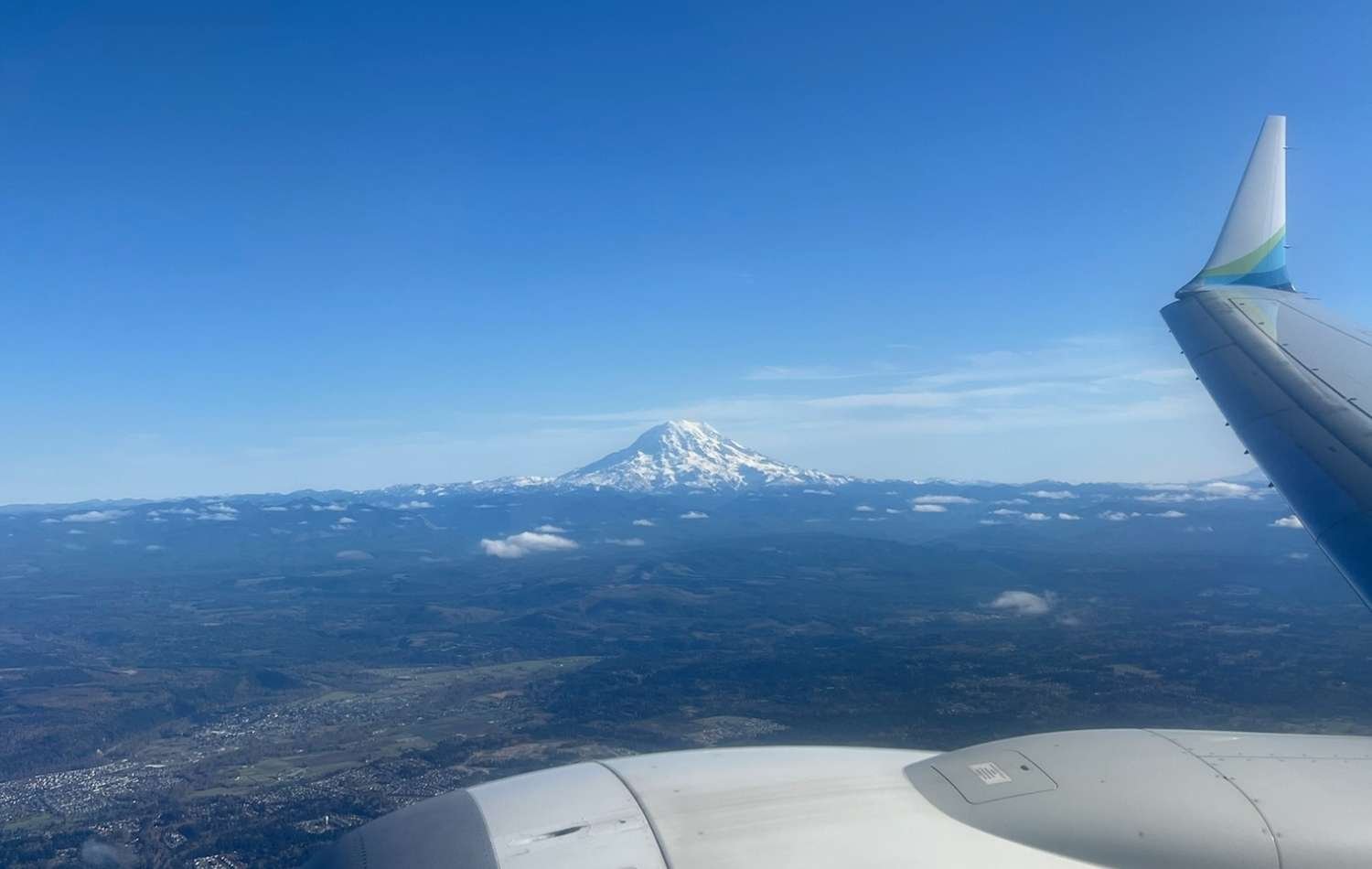
Yes, commuting between Seattle and San Francisco can be realistic, particularly if you have some control over your schedule.
It was much more manageable for me because I didn’t have to fly on the same days or at the same times every week. I could choose less expensive flights and avoid some of the busiest travel blocks.
Someone with a rigid schedule may have a very different experience. If you always need to take an early Monday flight from SEA to SFO and return on a Friday evening flight from SFO to SEA, you don’t have as much flexibility on cost.
Before committing to this arrangement, consider how frequently you’ll need to travel, how much flexibility you’ll have and whether your employer will cover any of the cost or if you’ll be paying out of pocket.
Your Airport Routine Eventually Becomes Second Nature
There was definitely a learning curve, but it didn’t take long to have my Seattle and San Francisco airport routines down to a science.
I learned when it made sense to use public transportation, when I’d need to take a rideshare, and how much time I should allow at each stage of the trip.
When I was commuting back and forth frequently, I was fortunate to have a home base in both cities. I kept a car in Seattle, and while I was in San Francisco I could rely on public transportation and rideshares. (Now that I’m in San Francisco full time, I have a car here.) I didn’t need to book a hotel or rent a car every time I traveled, which made the entire arrangement considerably easier both logistically and financially speaking.
You don’t necessarily need a car in both cities, but you do need a dependable plan for getting between your home, the airport and your workplace.
Airline Apps Make Frequent Travel Much Easier
Airline apps have become so reliable that I feel comfortable depending on them for gate information, boarding updates, delays and other flight changes.
After a while, I no longer did what people jokingly call the “Millennial walk”—going all the way to your departure gate immediately upon arriving at the airport just to verify that it does indeed exist haha.
After many, many flights, I finally freed myself from the Millennial walk. I trust the app and monitor my flight from wherever I happen to be in the airport.
How Early Do I Arrive at SEA and SFO?
I aim to arrive at the airport about an hour before departure but some of this will come down to your personal preference and stress tolerance.
That amount of time generally works for me because I know the airports, have a consistent routine and usually have access to expedited security. It won’t be the right timing for every traveler or every flight, especially during holidays, construction, severe weather or other busy travel periods.
Frequent travel has helped me understand where delays are most likely to happen and how much buffer time I personally need.
I Keep an Airport Bag Ready at All Times
One of the best changes I’ve made is streamlining my luggage.
I have a designated airport bag that stays packed with my essentials and laptop accessories. I don’t completely unpack and repack it for every trip, which eliminates one more task from my travel days.
I’ve also learned approximately how much my checked bag weighs based on what I’ve packed. That makes the check-in process less stressful.
When you fly frequently, high-quality luggage stops feeling like a luxury and starts feeling like an essential tool. Durable bags, smooth wheels and useful compartments make a difference when you’re constantly moving through airports.
I also kept basics in both cities so that if I really messed up on my packing regimen I wouldn’t be without my necessities. On one occasion I did forget my entire makeup bag and I landed super late the night before a conference. So, now have a second bag of Target makeup (the only store that was still open late that sold makeup) that I leave as my emergency backup in case I ever forget that again. Although I doubt I will. Once I forget something even one time, it's forever engrained in me to double check I’ve packed it moving forward.
Traveling With My Dog Is the Hardest Part

Flying with my dog Cooper was easily the most complicated part of traveling between Seattle and San Francisco.
He’s a great travel companion, but bringing a dog adds another layer to every part of the trip. I had to think about getting through the airport, navigating security, managing the flight itself, arranging transportation on both ends and making sure he had all his food and necessities as well. And let me tell you, a week worth of dog food really impacted my bag’s weight and I did weight over on more than one occasion.
Now, whenever I fly without him, the trip feels incredibly easy—almost luxurious. I imagine this is a tiny percentage of what parents of babies and toddlers feel like when the have solo or work travel without their littles.
Anyone considering frequent travel with a pet should think through the full door-to-door experience, not only the flight.
TSA PreCheck and CLEAR Have Been Worth It for Me
I have both TSA PreCheck and CLEAR+, and I would compare the available lines before deciding which entrance to use.
Sometimes the regular TSA PreCheck line is moving more quickly. Other times, the CLEAR+ lane is the better option. Having access to both gave me more flexibility.
Even with expedited options, airport security can still be one of the most frustrating parts of flying. You’re sharing the process with people who may not travel regularly and aren’t familiar with the routine.
Patience and a little grace for the people around you goes a long way.
Some travel credit cards may reimburse TSA PreCheck, CLEAR+ or other travel-related membership fees, so it’s worth looking into your card benefits before enrolling.
Both SEA and SFO Are Pleasant Airports
Fortunately, Seattle-Tacoma International Airport and San Francisco International Airport are both relatively comfortable places to spend time.
After so many trips, I know which lounges I prefer, where I like to find food and even which restrooms are nicer than others. At SFO, some of my favorites include The Club SFO and the Centurion Lounge.
Priority Pass has also been worthwhile for me because I spend so much time in airports. Whether a lounge membership makes sense for you will depend on how frequently you fly, which terminals you normally use and what benefits are included with your credit cards.
These little pieces of knowledge don’t eliminate the inconvenience of flying, but they make the experience feel more familiar and predictable.
I Spend More Money Dining Out

One unexpected consequence of dividing my time between Seattle and San Francisco is that I ate out at restaurants and ordered takeout more frequently.
It isn’t only because I’m buying food at the airport. When I’m about to leave one city, I don’t want to buy a full refrigerator of groceries that I won’t finish. When I arrive in the other city, I may not have food waiting for me.
That often results in one or two restaurant meals on either side of a trip.
I try to avoid food waste, but avoiding waste can also mean spending more money on prepared food. My dietary restrictions make this even more complicated because my airport and takeout options are more limited.
Food is one of the smaller expenses that can be easy to overlook when calculating the true cost of splitting your time between two cities.
Is Commuting Between Seattle and San Francisco Worth It?
For me, it was worth it. My husband and I were excited to experience another city, and Jacob’s job opportunity made the arrangement worthwhile. I also really enjoyed getting to know San Francisco more deeply while maintaining our home and community in Seattle.
However, this lifestyle works best when you have a clear plan for:
Flight costs and scheduling
Housing in both cities
Transportation to and from each airport
Work equipment and everyday essentials
Pet care or pet travel
Groceries and dining expenses
The physical and emotional demands of frequent travel
The flying itself eventually becomes routine. The more important question is whether the entire two-city lifestyle works for your schedule, budget, relationships and priorities.
Frequently Asked Questions About Traveling Between Seattle and San Francisco
Do you need a car in both Seattle and San Francisco?
Not necessarily. I keep a car in Seattle but used public transportation and rideshares in San Francisco. Your transportation plan will depend heavily on where you live and work in each city.
What makes frequent travel between SEA and SFO easier?
A flexible schedule, housing in both cities, expedited airport security, dependable ground transportation and a permanently packed airport bag have made the biggest difference for me.
Is TSA PreCheck or CLEAR better for frequent flyers?
I use both. At the airport, I compare the TSA PreCheck and CLEAR+ lines and choose the option that appears to be moving faster.
What are the biggest hidden costs of commuting between two cities?
In addition to airfare and housing, consider airport transportation, luggage, lounge memberships, plane wifi, pet travel, parking and the additional money you may spend dining out.
Is it difficult to travel between Seattle and San Francisco with a dog?
It can be. Even with a dog who travels well, bringing a pet adds more planning to security, the flight and transportation on both ends of the trip.
Considering a Move Between Seattle and San Francisco?
If you’re thinking about relocating from Seattle to San Francisco, moving from San Francisco to Seattle or splitting your time between the two, I’m happy to talk through what the experience is actually like.
Ian and I have helped many clients navigate moves between these two cities, and my own experience has given me an even deeper understanding of the practical and personal decisions involved.
Don’t hesitate to reach out with questions about the travel, the lifestyle or the real estate logistics.
I spent years as a top-producing agent in Seattle before relocating to San Francisco myself. Now I do both—helping buyers and sellers in San Francisco, and connecting relocating clients with the best agents across the country. If you're making a move, I'd love to be in your corner from day one. Get in touch!