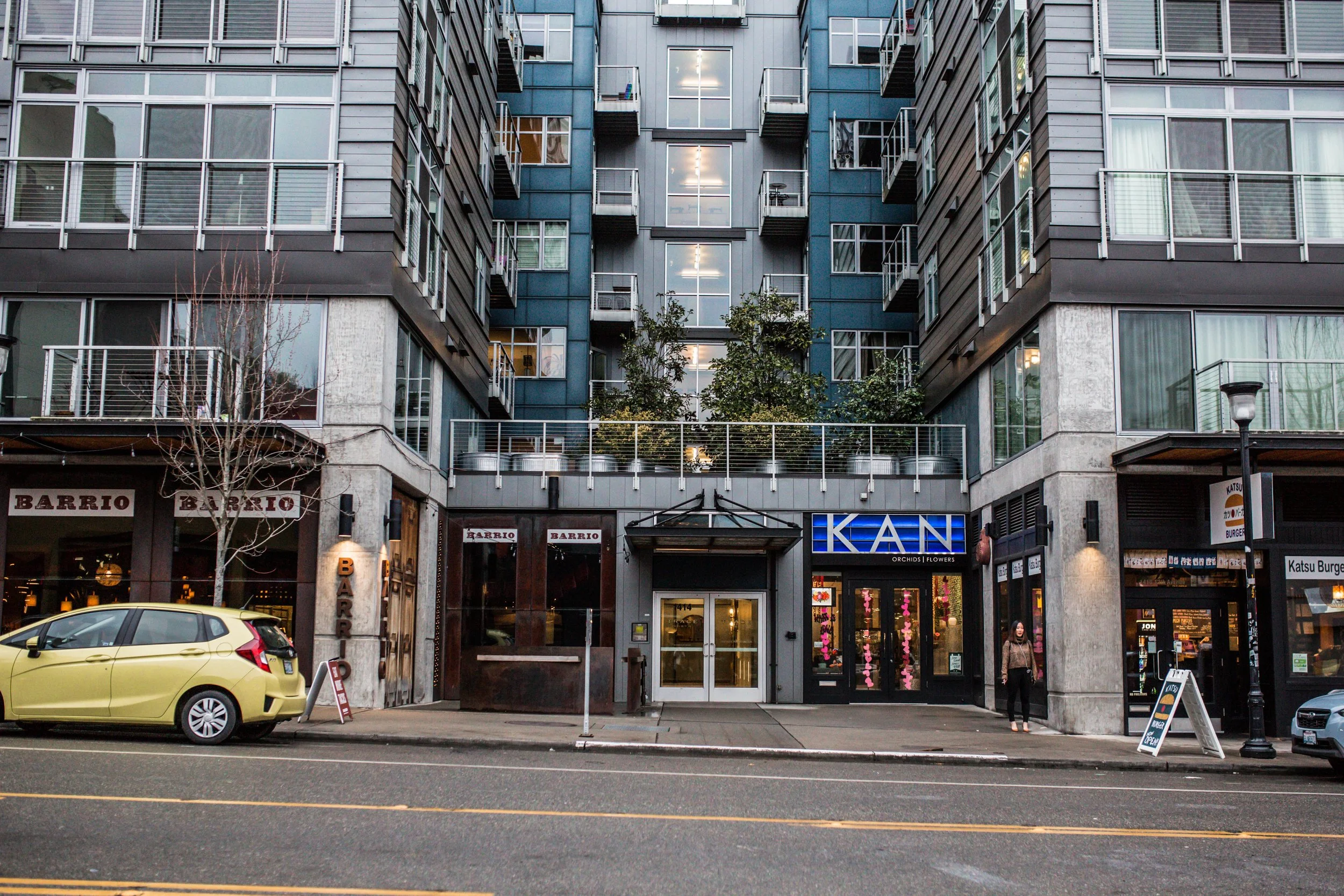
If you frequently travel between Seattle and another city—and expect to continue doing so for the next several years—buying a pied-à-terre in Seattle may be worth considering.
A small, low-maintenance condo can give you a consistent place to stay, store your belongings and feel at home without requiring you to maintain a full-size second residence.
The right decision depends on how often you’re in Seattle, what you currently spend on hotels or short-term rentals, and whether the complete cost of owning a second home makes sense for your lifestyle.
What is a pied-à-terre?

A pied-à-terre is a small apartment, condo or other residence that is not someone’s primary home. It is typically used occasionally for work, family visits or regular travel.
For someone who frequently travels to Seattle, a pied-à-terre can provide a familiar and comfortable home base without the need to repeatedly book temporary accommodations.
What I’ve learned from living between Seattle and San Francisco
Over the past few years, I’ve been on quite the adventure.
I’m a Seattleite through and through, and it’s where my husband, Jacob, and I created our first home. We met as students at the University of Washington and later bought our first house together in Seattle’s Central Area. Needless to say, we love Seattle.
Then an incredible job opportunity came up for Jacob—one that was simply too good to pass up. The only catch? It was in San Francisco.
We had always wanted to experience living in another city, so we decided to do something that might seem a little unconventional: we relocated to San Francisco to try it out, and for a period of time, I split my life between the Bay Area and Seattle.
With support from my amazing Society Northwest teammates Ian Gordon and Sam Lamping, I continued helping my Seattle buyers and sellers while regularly flying back and forth between the two cities. I got to know SEA and SFO exceptionally well—and learned firsthand what makes a two-city lifestyle easier, more comfortable and more sustainable.
Eventually, Jacob and I realized that our time in San Francisco would be longer than we originally expected and likely a long term home for us. I embraced the opportunity, became licensed to practice real estate in California and began helping clients navigate San Francisco real estate. I’ve loved learning a new market and naturally, I constantly find myself comparing and contrasting the nuances, similarities and differences between Seattle and SF.
Although we initially chose to rent in San Francisco, the experience taught me a lot about maintaining a home base in one city while regularly spending time in another.
If you’re considering buying a pied-à-terre in Seattle, here are a few things I’ve learned that may help you decide whether it’s the right fit for you.
When does buying a pied-à-terre in Seattle make sense?
Buying a pied-à-terre may be worth exploring if:
You spend several days or weeks in Seattle on a regular basis.
You expect your two-city lifestyle to continue for at least a few years.
You are tired of repeatedly booking hotels or short-term rentals.
You want to keep clothing, work supplies and personal belongings in Seattle.
You would benefit from having a familiar home base.
You can comfortably afford the mortgage, property taxes, insurance and HOA dues in addition to the expenses associated with your primary residence.
Buying does not automatically make more financial sense than renting. It’s important to compare the estimated monthly cost of ownership with what you currently spend on temporary accommodations—and to consider how much flexibility you may need in the next few years.
What should you look for in a Seattle pied-à-terre?
Choose a location near Link light rail
If you’ll be flying in and out of Seattle regularly, living near a Link light rail station can be a game changer.
Being able to take the train directly to Seattle-Tacoma International Airport means you don’t have to worry about freeway traffic, airport parking or the cost of taking an Uber or Lyft every time you travel.
Your ideal location will also depend on where you spend your time when you’re in Seattle. Consider how easily you can reach your workplace, family, clients and favorite parts of the city in addition to the airport.
Look for a secure, low-maintenance building
A condo is often a natural fit for a pied-à-terre because the homeowners association typically handles exterior maintenance and common areas.
A building with secure entry, package storage, on-site management or a concierge can be especially convenient for part-time residents. Someone can receive deliveries while you’re away, and you may feel more comfortable leaving the property unoccupied.
Those services can also result in higher HOA dues, so consider which amenities will genuinely make your life easier.
Prioritize access to groceries and takeout
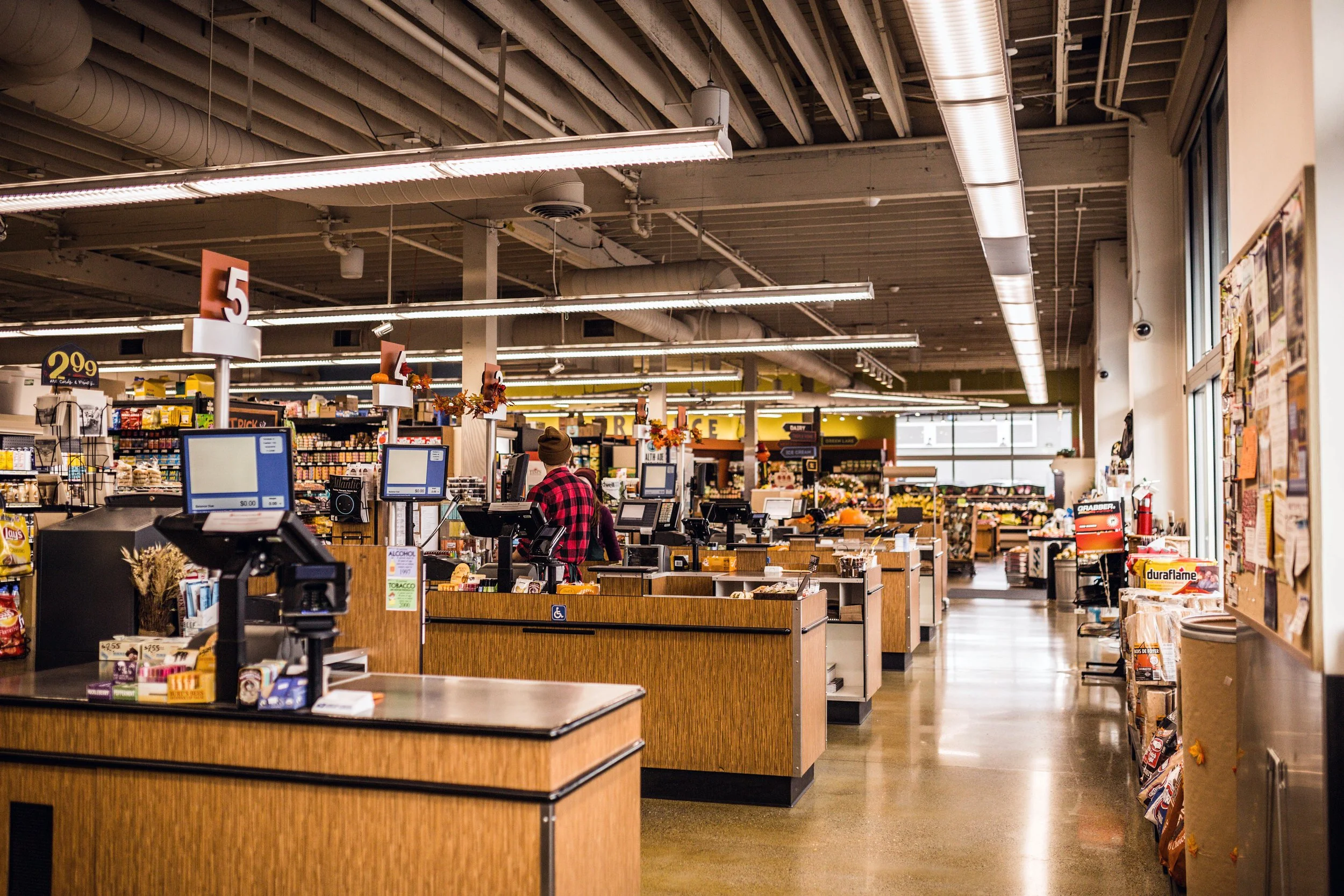
Living within walking distance of a grocery store, coffee shop and several takeout options has been much more important than I expected.
When you’re only in town for a few days, it rarely makes sense to stock an entire refrigerator. I’ve found myself dining out or picking up prepared food more often, especially when I know I’ll be leaving again soon.
Having everyday necessities nearby can make shorter stays much easier while also helping you avoid unnecessary food waste.
Find a layout that works for shorter stays
A pied-à-terre doesn’t need to be large, but it should make arriving and leaving easy.
Look for practical storage, laundry access, a comfortable place to work and enough room to keep your everyday essentials in Seattle.
Secure parking may be important if you plan to keep a car here. On the other hand, if you choose a walkable neighborhood near transit, you may decide you don’t need a parking space at all.
Carefully review the homeowners association
The purchase price is only one part of the cost of owning a condo.
Before buying, you’ll want to review the building’s:
Monthly HOA dues
Operating budget
Reserve study
Insurance coverage
Recent meeting minutes
History of special assessments
Upcoming repairs or major projects
A lower-priced condo is not necessarily a bargain if the building has underfunded reserves or significant repairs on the horizon.
Working with a real estate agent who understands Seattle condos can help you identify potential concerns before you commit to a property.
Make sure the building’s rules fit your plans
Before making an offer, confirm that the condo association’s rules work with how you intend to use the home.
Some buildings have restrictions involving:
Rentals and short-term rentals
Roommates
Pets
Move-in scheduling
Extended vacancies
Deliveries
Renovations
If you hope to rent the condo while you’re away, be especially careful. You’ll need to consider the building’s rules, local regulations, lender requirements and insurance coverage.
Should you have a roommate in your pied-à-terre?

For some buyers, having a roommate can help offset monthly expenses and provide peace of mind while they’re away.
It can be reassuring to know that someone is regularly checking the property rather than leaving it vacant for long periods of time.
The arrangement needs to work for both people, however. Your roommate should be comfortable with you arriving and leaving on an irregular schedule, and you’ll need to confirm that the arrangement complies with your HOA rules, mortgage and insurance requirements.
Whether or not you have a roommate, getting to know a few neighbors is always a good idea.
How much does it cost to buy a pied-à-terre in Seattle?
The cost of a Seattle pied-à-terre depends on the neighborhood, building, size, condition, amenities and HOA dues.
As a general starting point, buyers may be able to find studio and compact one-bedroom condos in the $350,000 to $450,000 range, including some options near Link light rail. Smaller or older units may be available for less, while newer buildings, larger floor plans, parking and concierge services can increase the price considerably.
When comparing properties, be sure to calculate the complete monthly cost, including:
Mortgage principal and interest
Property taxes
HOA dues
Condo insurance
Utilities and internet
Parking or storage fees
Interior maintenance
Potential future special assessments
A condo with a lower purchase price but unusually high HOA dues may cost more each month than a slightly more expensive unit in a simpler building.
Is Seattle’s condo market good for pied-à-terre buyers?
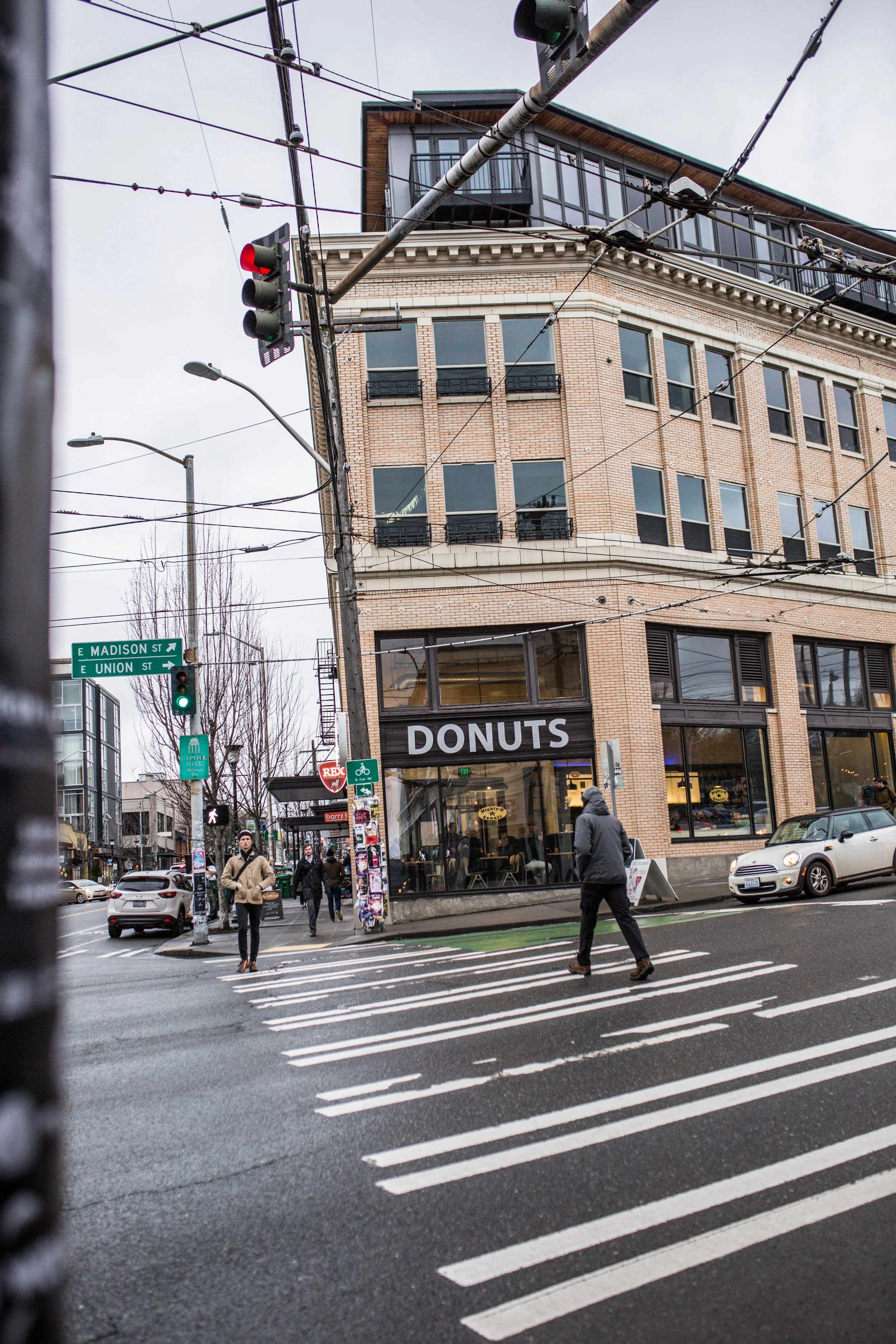
Seattle’s condo market can offer more attainable options than the city’s single-family home market, particularly for buyers considering studios and smaller one-bedroom units.
Some condo buildings and neighborhoods may also provide buyers with more selection and negotiating room than they would find in the most competitive parts of the housing market.
That doesn’t mean every condo is a deal. Well-managed buildings in convenient, walkable locations can still attract significant interest.
The key is to evaluate both the individual unit and the overall health of the condo association—not just the list price.
Is a Seattle pied-à-terre right for you?
A pied-à-terre may be a good fit if you travel to Seattle frequently, want a consistent place to stay and are prepared for the long-term costs of owning a second property.
For the arrangement to work well, prioritize:
Convenient airport and transit access
A secure, well-managed building
Reasonable HOA dues
Strong association finances
Walkability to everyday necessities
Rules that support part-time occupancy
A space that is easy to lock up and leave
The ideal pied-à-terre is not necessarily the fanciest condo or the least expensive one. It’s the property that makes your time in Seattle easier.
I spent years as a top-producing agent in Seattle before relocating to San Francisco myself. Now I do both—helping buyers and sellers in San Francisco and connecting relocating clients with the best agents across the country.
If you’re living in Seattle part time or considering buying a pied-à-terre here, I’d love to be in your corner from day one.
I spent years as a top-producing agent in Seattle before relocating to San Francisco myself. Now I do both—helping buyers and sellers in San Francisco, and connecting relocating clients with the best agents across the country. If you're making a move, I'd love to be in your corner from day one. Get in touch!
